Revisional Bariatric Surgery (Bariatric Correction)
A tailored surgical option for patients who had a previous weight-loss procedure with limited results or medical complications, guided by careful evaluation and structured follow-up.
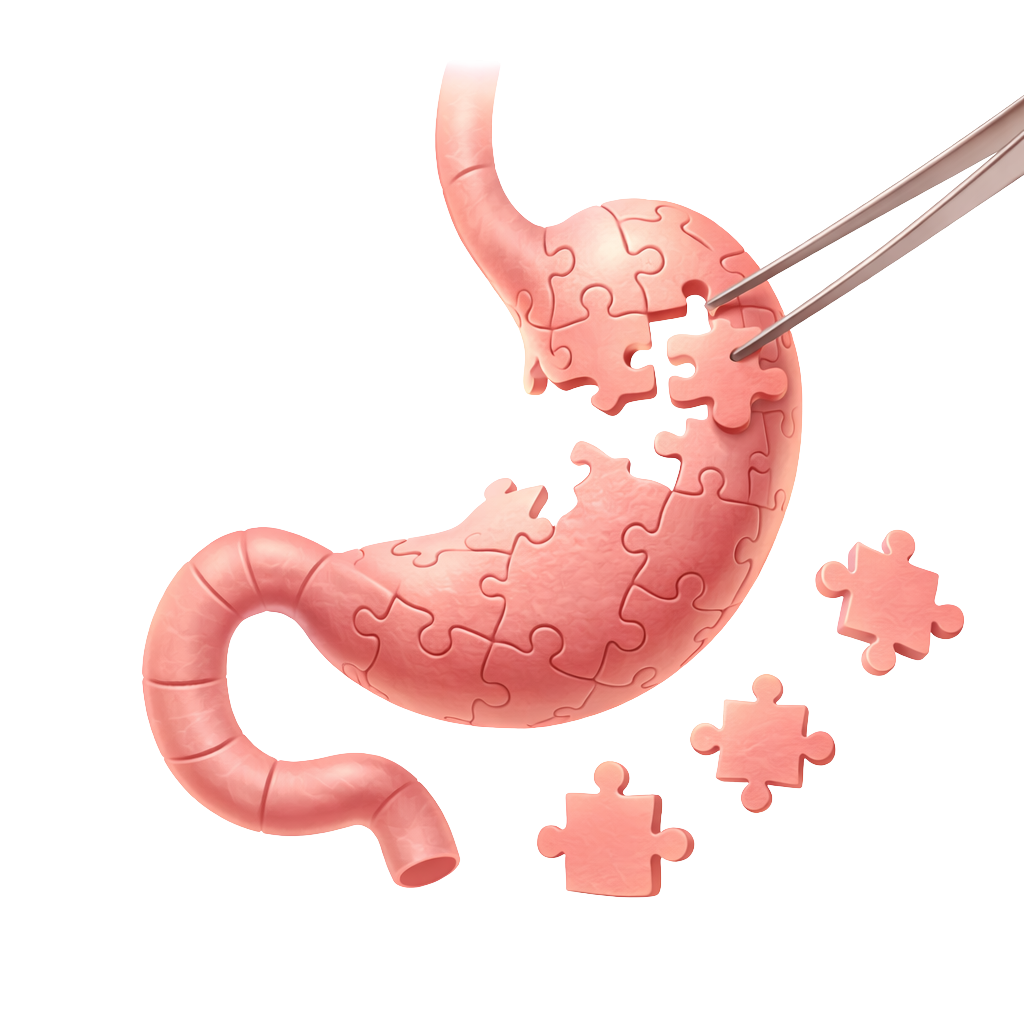
What is Revisional Bariatric Surgery?
Revisional bariatric surgery (bariatric correction) refers to procedures performed after a prior weight-loss surgery to address:
- Insufficient weight loss or weight regain
- Complications related to the first procedure
- Symptoms affecting quality of life (case-dependent)
Revision surgery is not “one-size-fits-all.” The exact approach depends on your previous operation, current anatomy, symptoms, and goals.
When might revision be considered?
You may benefit from evaluation for revision if you experience:
- Weight regain or inadequate weight loss despite adherence
- Persistent or severe reflux/heartburn (in some cases)
- Difficulty with food tolerance or frequent vomiting (case-dependent)
- Nutritional problems that require surgical reassessment
- Mechanical/anatomical issues seen on imaging or endoscopy
A full work-up is essential before deciding on any revisional procedure.
Possible Revision Options (Examples)
Your surgeon may consider options such as:
- Converting one procedure to another (based on your prior surgery)
- Correcting anatomical issues (if present)
- Addressing complications in a targeted, safest way
The best option is determined only after full assessment.
Key Benefits
- A personalized solution for weight regain or complications
- Can improve symptoms and comfort (case-dependent)
- Supports renewed weight loss goals (varies by case)
- Structured follow-up to reduce risks and improve outcomes
Important Considerations (Safety & Risks)
- Higher risk of bleeding, infection, or leakage (case-dependent)
- Nutritional deficiencies requiring strict monitoring
- Longer recovery in some cases
- Need for detailed imaging/endoscopy before surgery
Your surgeon will discuss risks and expected outcomes based on your exact history.
Pre-Operative Evaluation (What we assess)
A thorough evaluation commonly includes:
- Review of your previous surgery details and operative notes (if available)
- Medical history, medications, and current symptoms
- Labs to assess nutrition and overall health
- Imaging and/or endoscopy (as required)
- Nutrition and lifestyle assessment to identify modifiable causes of weight regain

Recovery & Follow-Up
Your recovery plan is individualized but typically includes:
- Early mobilization and pain control (as directed)
- Diet progression under a structured protocol
- Follow-up visits to monitor healing, weight progress, and symptoms
- Long-term nutrition support and lab monitoring
The goal: safer recovery + stable long-term results.

Why Choose Us?
With Dr. Ahmed Ali Abdelbary, your revision plan is based on:
- Careful evaluation and clear decision-making
- Safety-first approach for complex cases
- Customized procedure selection
- Structured long-term follow-up and nutrition guidance
FAQ ideas:
Common reasons include weight regain, inadequate weight loss, or complications from a previous bariatric procedure – confirmed through evaluation.
It can be more complex and may carry higher risk in some cases. A detailed assessment helps plan the safest approach.
Often labs plus imaging and/or endoscopy, depending on your symptoms and previous procedure.
No procedure can guarantee results. Success depends on medical factors, the chosen revision method, and long-term follow-up and lifestyle.
Recovery varies by patient and procedure type. Your surgeon will provide a personalized timeline.
In some cases, yes – but this depends on the cause of reflux and your evaluation findings.

Book a Consultation
If you want a professional assessment and guidance on the most suitable option for your condition, book your consultation today.