Mini Gastric Bypass (MGB) — Effective Weight-Loss Surgery (Laparoscopic)
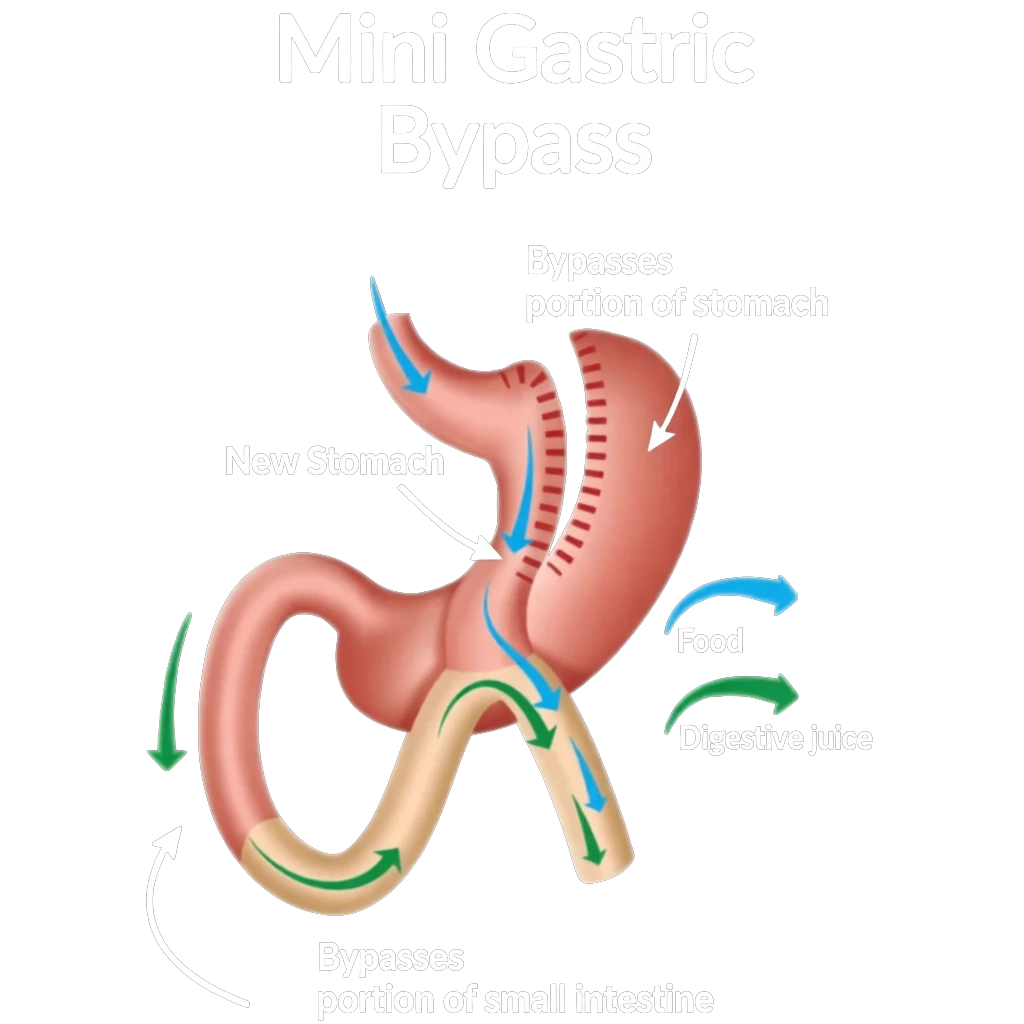
Mini Gastric Bypass (also called One Anastomosis Gastric Bypass – OAGB) is a popular bariatric procedure performed laparoscopically. It combines restriction (smaller stomach) and malabsorption (bypassing part of the small intestine) to support significant, sustained weight loss and improvement of obesity-related conditions.
What is Mini Gastric Bypass?
In MGB, the surgeon:
- Creates a long, narrow stomach pouch (smaller stomach)
- Connects it to a loop of small intestine (one connection/anastomosis)
This leads to:
- Earlier fullness
- Reduced calorie absorption
- Hormonal changes that help reduce hunger and improve metabolism
Who is a Good Candidate?
You may be eligible if:
- BMI ≥ 40, or
- BMI ≥ 35 with obesity-related conditions (e.g., type 2 diabetes, hypertension, sleep apnea)
- You have tried diet/exercise programs without lasting success
- You can commit to long-term lifestyle changes and follow-up
Final suitability is confirmed after a full medical evaluation.

Key Benefits
- Strong, long-term weight loss outcomes
- Significant improvement in type 2 diabetes for many patients
- Laparoscopic approach: smaller incisions, less pain, faster recovery
- Often shorter operative time compared to classic gastric bypass
Risks & Considerations
As with any surgery, risks can include:
- Vitamin/mineral deficiencies without proper supplementation and follow-up
- Reflux/bile reflux in some patients
- Ulcers, narrowing, or internal complications (rare)
- General surgical risks: bleeding, infection, blood clots (rare)
Important: Regular follow-up + supplements greatly reduce complications.
Pre-Op Preparation
Typically includes:
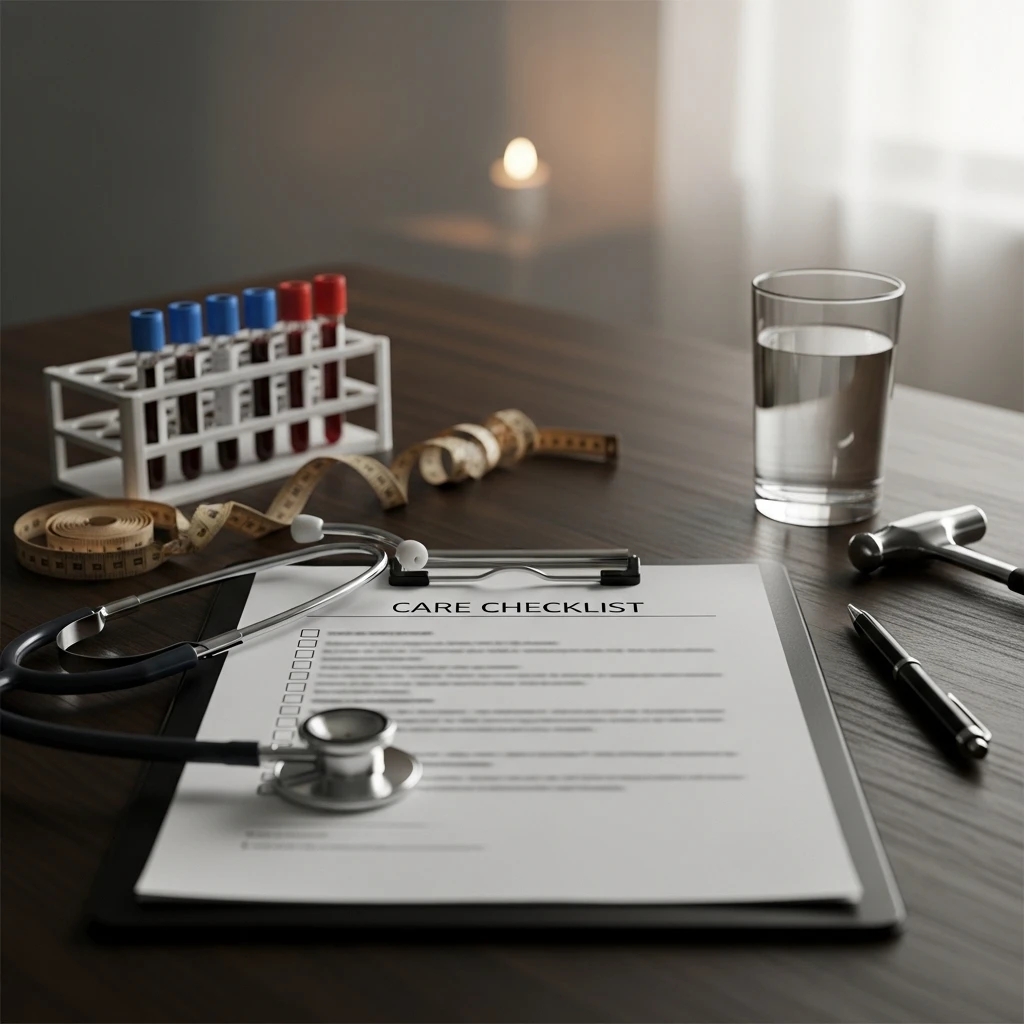
- Full labs and medical assessment
- Sometimes an upper endoscopy (depending on your case)
- A pre-op diet as directed by your surgeon
- Stop smoking and reduce sugary/carbonated drinks
- Plan your post-op diet stages (liquids → purées → soft foods → regular diet)
Recovery & Aftercare
- Usually a short hospital stay
- Early walking is encouraged
- Gradual diet progression + consistent hydration
- Supplements (e.g., iron, calcium, vitamin D, B12) guided by lab results
- Scheduled follow-ups to ensure safe progress and prevent deficiencies

Why Choose Us?
With Dr. Ahmed Ali Abdelbary, your treatment is built around:
- Clear evaluation and procedure selection
- Patient-first safety approach
- Structured follow-up and guidance
- Modern bariatric and laparoscopic standards
FAQ ideas:
Most patients report mild to moderate discomfort for a few days, improving quickly with prescribed pain control.
Often within 1–2 weeks, depending on your job and recovery.
Yes, if dietary habits slip or follow-up is neglected. Long-term success depends on lifestyle and regular monitoring.
Many patients see major improvement, but results depend on diabetes duration, current control, and individual factors.
Book a Consultation
If you want a professional assessment and guidance on the most suitable option for your condition, book your consultation today.