SADI-S (Single Anastomosis Duodeno-Ileal Bypass with Sleeve) — Powerful Bariatric & Metabolic Surgery (Laparoscopic)
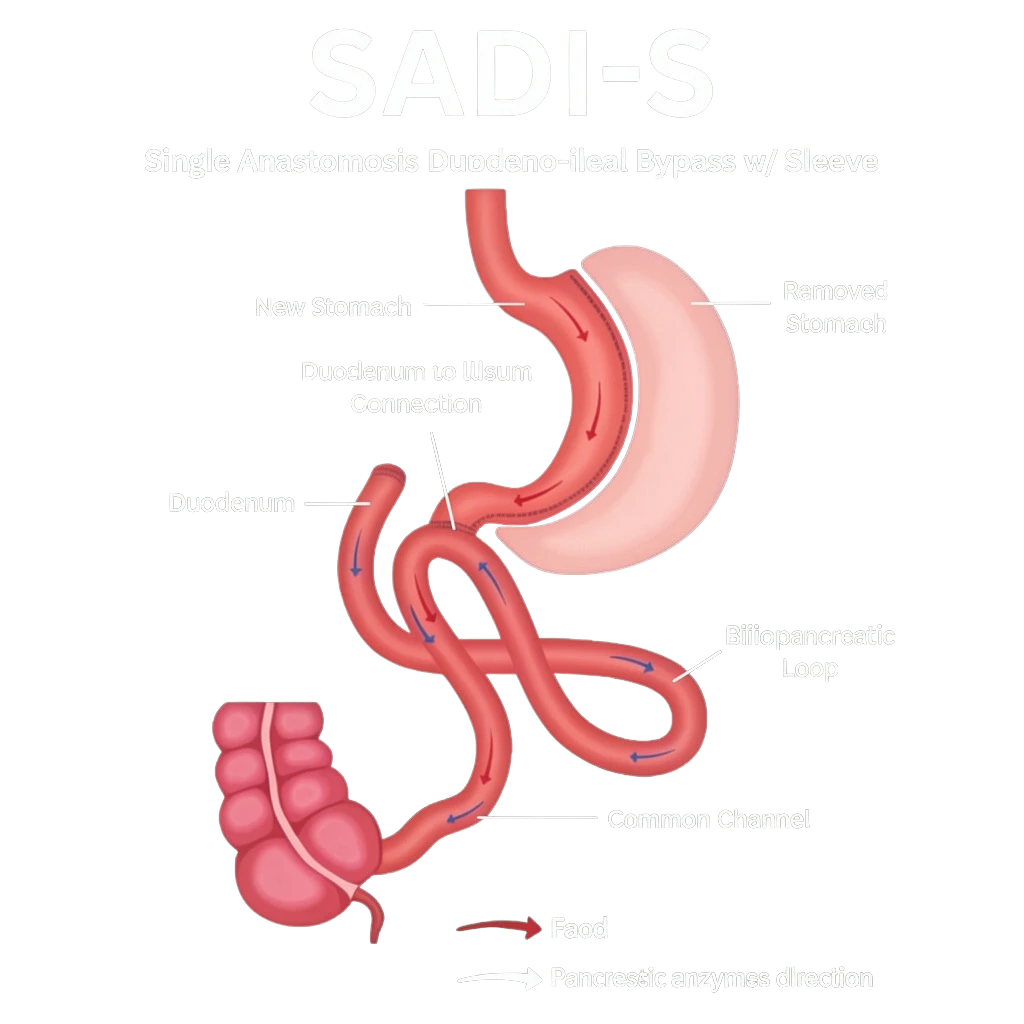
SADI-S is an advanced bariatric procedure that combines a Sleeve Gastrectomy with a single intestinal bypass connection. It offers strong, long-term weight loss and significant metabolic improvement—especially in patients with severe obesity and obesity-related diseases.
What is SADI-S?
SADI-S is performed in two main steps:
- Sleeve Gastrectomy: the stomach is reshaped into a smaller sleeve to reduce appetite and portions.
- Duodeno-Ileal Bypass (Single Anastomosis): the first part of the small intestine (duodenum) is connected to a more distal part of the ileum using one connection (one anastomosis).
This creates a shorter functional pathway for food, reducing absorption and enhancing metabolic effects.
Who is a Good Candidate?
SADI-S may be recommended if you have:
- Severe obesity (often BMI ≥ 40), or
- BMI ≥ 35 with significant obesity-related conditions (type 2 diabetes, sleep apnea, fatty liver, hypertension)
- A need for a strong metabolic procedure, especially when diabetes control is a priority
- The ability to commit to lifelong supplements and scheduled follow-up
Final eligibility is determined after full evaluation, labs, and imaging/endoscopy if needed.

Key Benefits
- Strong, sustained weight loss for many patients
- Powerful metabolic effect with major improvement in type 2 diabetes and insulin resistance
- Single anastomosis (one connection) compared to classic duodenal switch variants
- Laparoscopic approach: smaller scars, faster recovery
- Often effective for patients with severe obesity or those needing higher weight-loss impact
Risks & Important Considerations
Because SADI-S has a malabsorptive component, it requires strict follow-up. Possible risks include:
- Protein, vitamin, and mineral deficiencies without proper diet and supplements
- Changes in bowel habits (loose stools, gas, odor) in some patients
- Ulcers, narrowing, leakage, internal complications (rare)
- General surgical risks: bleeding, infection, blood clots (rare)
Important: Lifelong supplementation + regular blood tests are essential for safety.
Pre-Op Preparation
Common steps include:
- Full pre-op workup (labs, cardiac/respiratory assessment if needed)
- Sometimes an upper endoscopy based on symptoms/history
- Surgeon-directed pre-op diet
- Stop smoking and optimize medical conditions (blood sugar, blood pressure)
- Nutrition education and supplement planning

Recovery & Long-Term Follow-Up
- Short hospital stay in many cases
- Early walking and hydration are priorities
- Diet progression: liquids → purées → soft foods → regular
- High-protein focus and hydration routine
- Supplements commonly include (based on labs): multivitamins, iron, calcium, vitamin D, B12, and others
- Regular follow-ups to monitor weight loss and nutritional status

Why Choose Us?
With Dr. Ahmed Ali Abdelbary, your treatment is built around:
- Clear evaluation and procedure selection
- Patient-first safety approach
- Structured follow-up and guidance
- Modern bariatric and laparoscopic standards
FAQ ideas:
Sleeve reduces stomach size only. SADI-S adds a bypass that reduces absorption and increases metabolic impact.
Both use a single anastomosis, but SADI-S typically has stronger malabsorption and metabolic effect, so nutrition follow-up is even more important.
Yes—supplements and periodic blood tests are essential to prevent deficiencies.
Many patients return within 1–2 weeks, depending on recovery and job demands.
Book a Consultation
If you want a professional assessment and guidance on the most suitable option for your condition, book your consultation today.