Inguinal Hernia Repair (Laparoscopic) — Groin Hernia Surgery with Fast Recovery
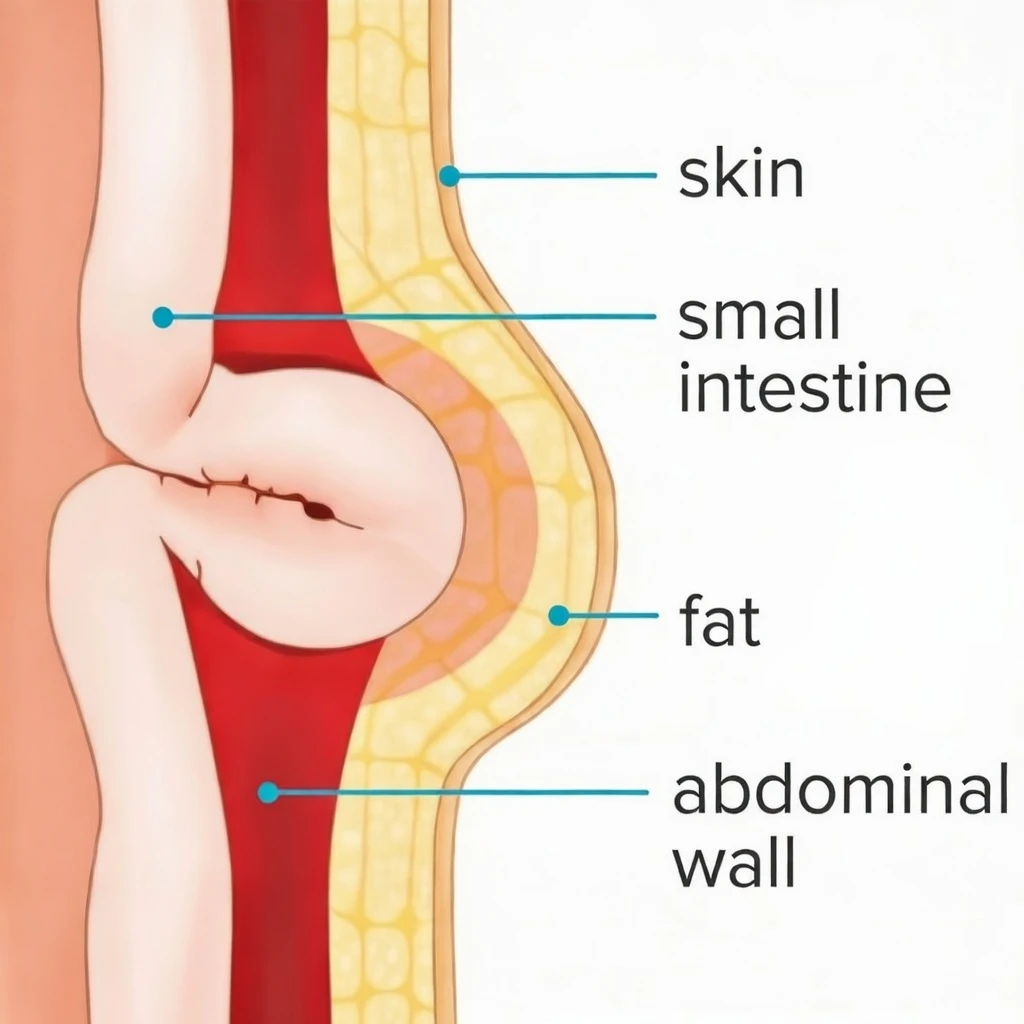
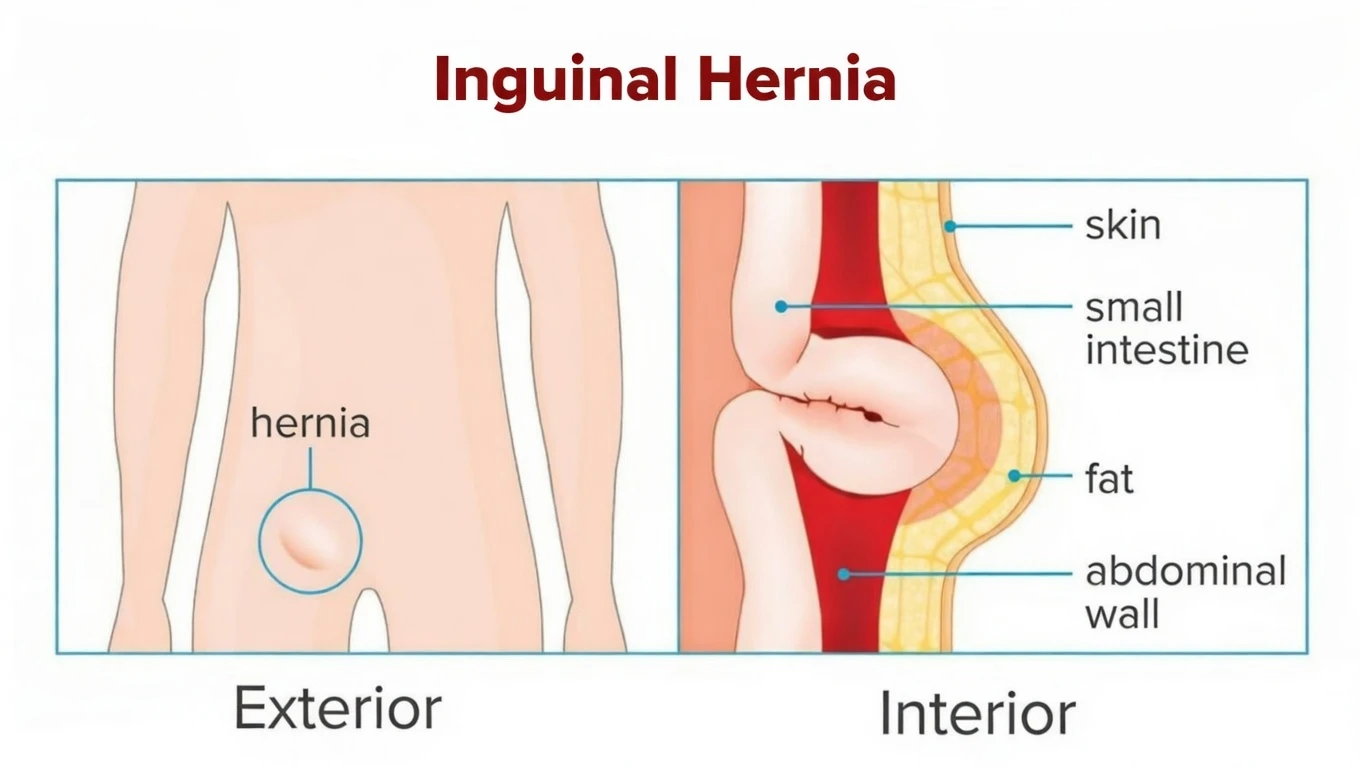
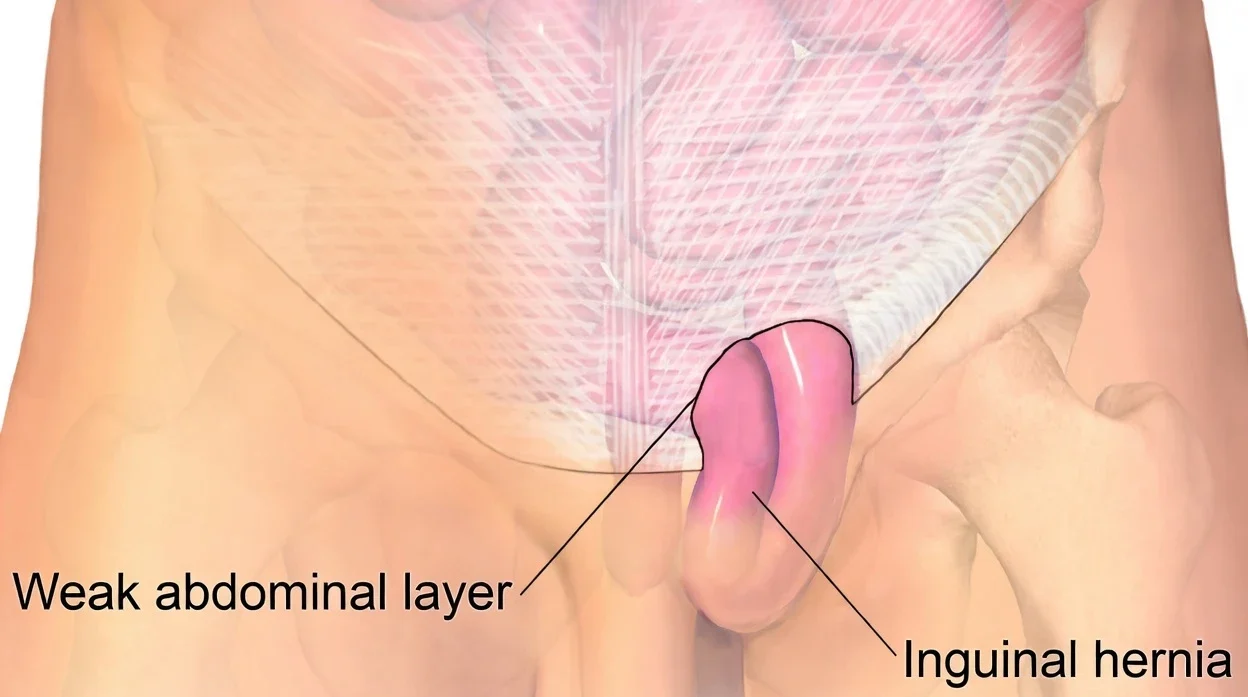
Inguinal Hernia Repair treats a weakness in the lower abdominal wall where tissue (fat or intestine) can push through into the groin. Surgery repairs the defect and strengthens the area—most commonly using mesh. Many cases can be done laparoscopically (keyhole surgery) for smaller scars and quicker recovery.
What is an Inguinal Hernia?
An inguinal hernia appears in the groin area and may cause:
- A visible bulge in the groin (may increase when standing/coughing)
- Pain, burning, or heaviness in the groin
- Discomfort during lifting, walking, or exercise
- In men, swelling may extend into the scrotum
When is Surgery Recommended?
Repair is usually advised if:
- You have pain or activity limitation
- The hernia is growing
- It’s difficult to push back in (reducible becomes less reducible)
- You want to avoid complications and improve quality of life
Urgent evaluation is needed if:
- Sudden severe pain
- Hernia becomes hard and cannot be pushed back
- Nausea/vomiting or abdominal bloating
- Redness/tenderness over the bulge
These can suggest incarceration/strangulation.

How is Inguinal Hernia Repair Done?
1) Open Repair
- A single incision in the groin
- The hernia is reduced and the wall is reinforced (often with mesh)
2) Laparoscopic Repair (Keyhole Surgery)
Common approaches include:
- TAPP (Transabdominal Preperitoneal)
- TEP (Totally Extraperitoneal)
Benefits may include:
- Less post-op pain in many cases
- Faster return to daily activities
- Smaller scars
- Helpful for bilateral hernias or recurrent hernias (case-dependent)
Technique choice depends on hernia type, your history (including prior surgeries), and surgeon assessment.
Benefits of Repair
- Relieves pain and improves daily comfort
- Prevents hernia from enlarging
- Reduces risk of emergency complications
- Enables safe return to work and exercise with proper recovery
Risks & Possible Complications
Potential risks include:
- Bleeding, infection, fluid collection (seroma/hematoma)
- Recurrence (varies by technique, size, and patient factors)
- Temporary numbness or chronic groin discomfort (less common with modern techniques)
- Mesh-related issues (rare)
- Injury to nearby structures (rare)
Pre-Op Preparation
Typically includes:
- Clinical exam + ultrasound/CT if needed
- Labs and anesthesia assessment
- Medication review (especially blood thinners)
- Stop smoking if possible
- Instructions for fasting and post-op support at home

Recovery & Aftercare
- Many patients go home the same day
- Early walking is encouraged
- Avoid heavy lifting for a period set by your surgeon
- Return to desk work often in 1–2 weeks (varies)
- Gradual return to sports/heavy activity based on healing and surgeon advice

Why Choose Us?
With Dr. Ahmed Ali Abdelbary, your treatment is built around:
- Clear evaluation and procedure selection
- Patient-first safety approach
- Structured follow-up and guidance
- Modern bariatric and laparoscopic standards
FAQ ideas:
In most adult inguinal hernia repairs, mesh is commonly used to reduce recurrence risk, but your surgeon will decide based on your case.
Not always—both are effective. Laparoscopic can be ideal for bilateral or recurrent cases, but open repair may be preferred in certain situations.
No. It may remain stable for a while, but it doesn’t “close” on its own in adults.
Book a Consultation
If you want a professional assessment and guidance on the most suitable option for your condition, book your consultation today.