Gastric Bypass Surgery
A proven bariatric procedure that supports significant, long-term weight loss and may improve obesity-related conditions—guided by a clear plan and structured follow-up.
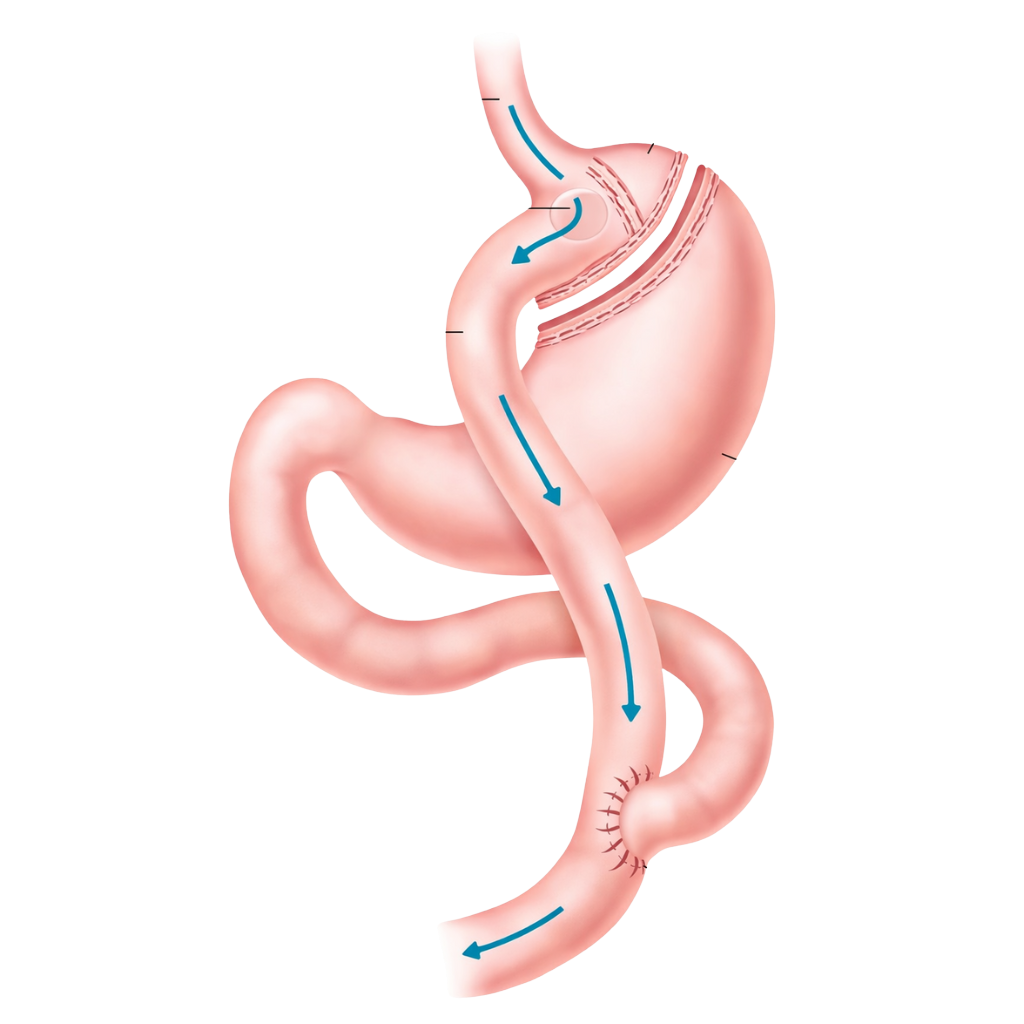
What is Gastric Bypass Surgery?
Gastric bypass is a bariatric procedure that helps weight loss by reducing stomach capacity and changing how food passes through the digestive system. This can support earlier fullness and, in many cases, stronger metabolic effects compared to some other procedures.
Suitability depends on your medical history, goals, and full clinical evaluation.
Who is it for?
You may be a candidate if you:
- Have obesity affecting your health, mobility, or quality of life
- Have weight-related conditions (assessed case-by-case)
- Have not achieved sustainable results with diet and exercise alone
- Need a procedure with strong long-term weight-control potential (based on evaluation)
- Are ready for long-term follow-up, nutrition planning, and supplements if required

Key Benefits
- Supports substantial weight loss (results vary by patient)
- May help improve certain obesity-related conditions (case-dependent)
- Can support better long-term weight control with structured follow-up
- Encourages healthier eating patterns with a guided plan
Important Considerations (Safety & Risks)
All surgeries carry risks. Your surgeon will explain what applies to your situation. Possible considerations include:
- Bleeding or infection
- Blood clots
- Leakage (rare but serious)
- Nutritional deficiencies if supplements and follow-up are not maintained
- Dumping symptoms in some patients (food-related discomfort)
- Bowel obstruction or internal hernia (uncommon but possible)
Preparation Before Surgery
Preparation is personalized, but commonly includes:
- Full medical assessment + surgical consultation
- Pre-op labs and imaging (as needed)
- Nutrition guidance and lifestyle planning
- Review of current medications and chronic conditions
- Clear instructions for surgery day and post-op recovery plan

Recovery & Follow-Up (What to Expect)
Most recovery plans include:
- Early mobilization after surgery (as instructed)
- Step-by-step diet progression (liquids → soft foods → balanced meals)
- Scheduled follow-ups to monitor safety, weight loss, and nutrition
- Long-term guidance on protein intake, hydration, and supplements
Long-term success depends on: follow-up + nutrition + physical activity + healthy routine.

Why Choose Us?
With Dr. Ahmed Ali Abdelbary, your care is built around:
- Patient-first surgical safety
- Clear evaluation to choose the right procedure
- Structured follow-up and nutrition guidance
- Modern bariatric and laparoscopic standards
FAQ ideas:
Bypass changes both stomach capacity and the digestive pathway, while sleeve mainly reduces stomach size. The best option depends on your evaluation.
Many patients need long-term supplements and lab monitoring. Your plan is tailored to your needs.
Results vary. Your expected outcome depends on starting weight, health conditions, and adherence to follow-up and nutrition plans.
Some patients may feel discomfort after certain foods (especially sugary meals). Your care plan includes dietary guidance to reduce this risk.
Recovery differs from one person to another. Your surgeon will guide your timeline based on your progress and job type.
It is generally considered a long-term procedure. Any revision decisions are highly individualized and require full evaluation.

Book a Consultation
If you want a professional assessment and guidance on the most suitable option for your condition, book your consultation today.